






The Dynamics of Mafia and the Role of Chefejogo
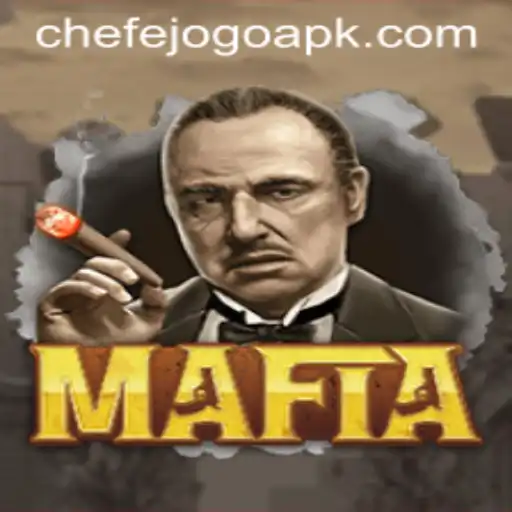
The Intriguing World of Mafia: A Game of Strategy
Mafia is a socially interactive party game that engages participants in a battle of wits and deception. Originally conceived in the 1980s, its appeal has widened over decades with variations surfacing within different cultures and settings. The game, often likened to a real-life role-playing scenario, encourages players to delve deep into their psyches, allowing both intellect and intuition to guide them.
Introduction to Mafia
Mafia begins by dividing players into two core factions: the innocents and the mafia members. However, what sets this game apart is its unique blend of suspense and strategy. Set in a simulated town typically by nightfall, the game alternates between these two groups as they attempt to either eliminate the opposite team or survive unfounded accusations and planned eliminations.
Roles in the game are assigned at random, often with a designated moderator known as the Chefejogo. In this role, the Chefejogo orchestrates the flow and ensures the rules are adhered to, providing dramatic flair while guiding players through each stage.
The Central Role of Chefejogo
The term Chefejogo translates from Portuguese as 'game boss'. This individual holds the responsibility for administrating the game effectively. The Chefejogo's task is multifaceted: they remain the neutral umpire, unbiased in their delivery of the game’s progression. Their duties include narrating events, orchestrating the game flow, and often encouraging players in their deliberations.
The Chefejogo invites suspense through their narrative, announcing when the mafia awake at 'night' to secretly choose a victim, and guiding all players through the daytime discussions and trials where accusations fly. They utilize their storytelling prowess to enhance the immersive experience for all participants.
Rules and Play Mechanics
Understanding the rules is key to effectively playing Mafia. While variations exist, the fundamental rules include the division of roles, primarily consisting of three types: mafia members, town members, and special characters like the detective or doctor.
Game Setup
Each player is usually assigned a role through a deck of cards or secret notes. The game then cycles through two main phases: night and day. During the night, mafia members covertly select a player to eliminate. Meanwhile, any special roles silently perform their unique abilities, such as the detective identifying a player's allegiance or the doctor saving someone from elimination.
The Day Phase
As dawn breaks within the game’s framework, the town awakes to uncover whether a fellow player has been 'eliminated'. This leads into a cycle of discussions and arguments, where the town members must attempt to deduce who amongst them is part of the mafia. In the heat of these debates, mistrust breeds narrative tension as accusations are hurled and defenses crafted.
Voting and Elimination
After deliberations, a vote takes place to select one individual for elimination. This decision, based often on suspicion and strategy, has crucial ramifications on the game’s pathway. The player's role is then revealed and the cycle begins anew until one faction achieves victory.
Strategic Considerations
Success in Mafia relies heavily on strategic thinking. Mafia members must remain discreet while manipulating the town towards wrongful accusations. Conversely, town members must employ logic and collaboration to unearth the hidden threats among them. The role of special characters is incredibly strategic, as their decisions directly impact the game's course.
The Chefejogo, while not directly influencing the outcome, plays a pivotal role in maintaining game integrity and providing immersive storytelling, adding layers of psychological depth to the experience.
Current Context and Cultural References
In recent times, the resurgence of digital adaptations brings Mafia to a global platform, accommodating players separated by distance. Current events have seen the game reflect societal narratives, often paralleling themes of mistrust and communal resolution seen in news headlines. Digital forums have become vibrant hubs where the game thrives, fostering international camaraderie through shared engagement in intrigue and strategy.
Despite its origins as a simple parlour game, Mafia has transcended into a cultural symbol of strategy and social depth. Its adaptability allows each session to mimic real-world complexity, teaching skills of negotiation, empathy, and the art of persuasion amidst rapidly changing events.
Unveiling the Epic Adventure of THOR: Rules, Gameplay, and Cultural Significance

Dive into the captivating world of the game THOR and explore its rules, gameplay mechanics, and its place in today's cultural landscape.
2026-02-05
Exploring AztecPriestess: A Journey into the Heart of Ancient Rituals

Dive deep into the captivating world of AztecPriestess and discover the game's unique blend of history, strategy, and adventure.
2026-01-18
Discover the Thrilling World of FastMaster: A Comprehensive Guide

Dive into the exciting universe of FastMaster, exploring its features and gameplay mechanics while understanding the impact of recent events.
2026-01-17
The Exciting World of 'TreasureoftheGods': A Dive into Gameplay and Strategy
Explore the thrilling gameplay, detailed rules, and captivating storyline of 'TreasureoftheGods', a game that combines mythological themes with strategic challenges.
2026-02-08

 download apk/ios